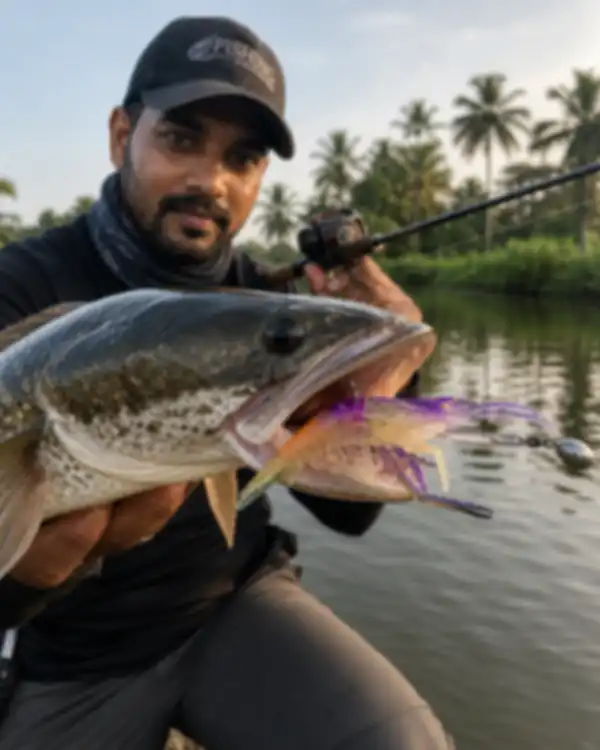
Shrimp lures in India: start with the rig
Soft shrimp and prawn lures offer a subsurface presentation for suitable backwater, estuary and coastal situations. Choose one for the water depth, current and structure you intend to fish. A realistic body alone does not guarantee that it will reach the right depth or behave naturally.
First identify whether the lure is supplied with a hook and weight or is an unrigged soft plastic. Adding a jighead to an already weighted lure can spoil its action and increase the casting load. Read the exact product and variant details before choosing additional tackle.
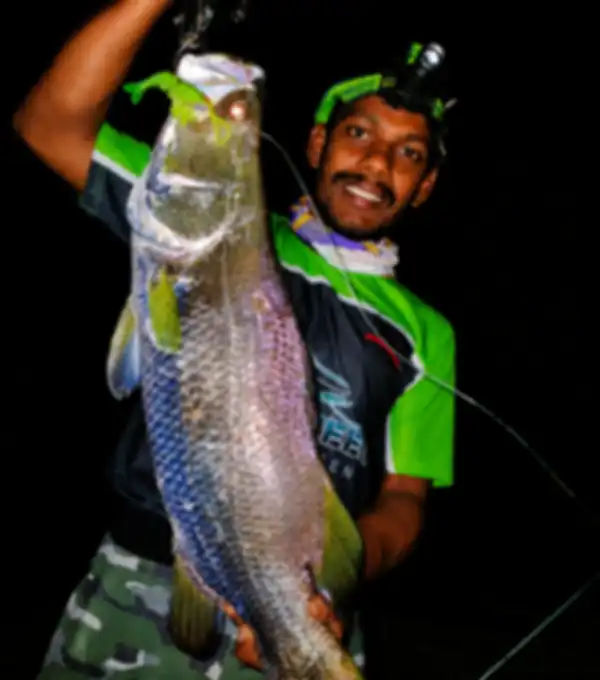

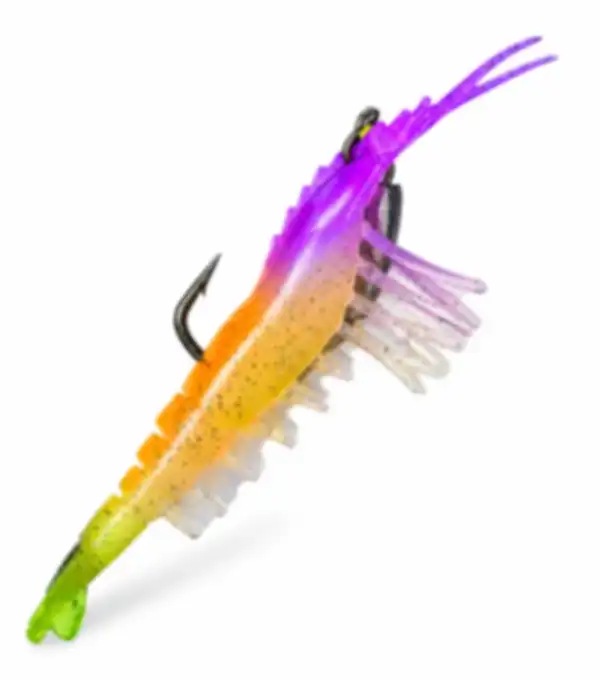
Compare ready-rigged shrimp lures
A ready-rigged lure can simplify preparation, but check its complete weight, hook arrangement, length and intended action. Lucana Chemmeen models are one option in our shrimp collection; specifications can differ between models and sizes. Use the live listing rather than assuming every packet has the same hook, material or rattle.
Check that the hook point is clear, the body sits straight and any appendages can move freely. Test the lure in visible water. If it rolls or spins, investigate alignment and the connection before increasing retrieve speed.
Choose size and weight separately
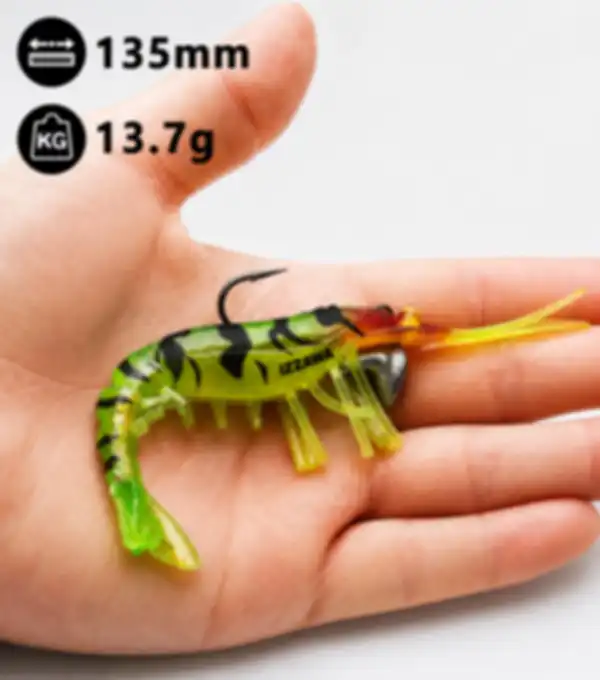
The body length helps describe the profile, while weight affects casting and sink rate. Do not choose solely by a large centimetre figure or by the target fish printed on a packet. Compare the complete lure weight with your rod’s casting range and the available room around cover.
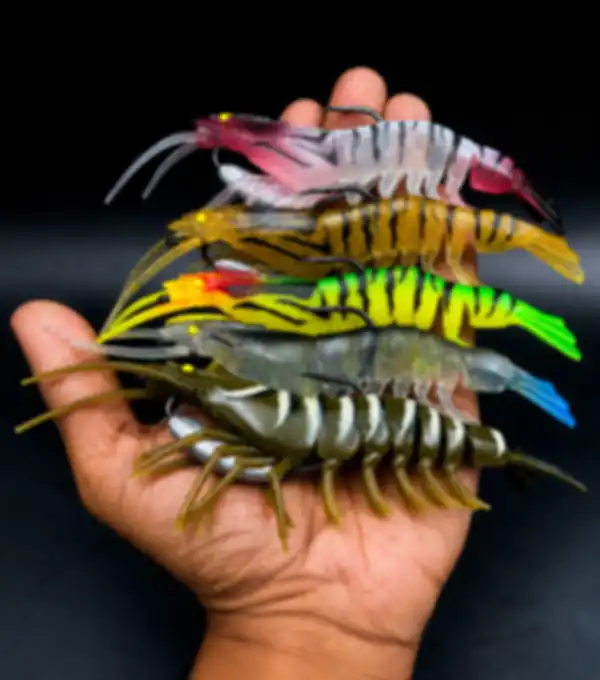
IZZAWA shrimp models provide different choices within the collection. Select the exact size and colour, then check the listed weight and pack quantity. Prices and availability change, so the product page is the source for current purchasing details.
Match the presentation to moving water
Wind, line angle and tidal current all affect control. If a lure sweeps away before reaching the intended area, first adjust your casting angle and manage slack. Consider a more suitable weight only when it remains within your tackle’s range.
A heavier shrimp is not automatically the solution for every estuary. It may fall too quickly or snag repeatedly near rocks. Compare available models, including Hunt House where listed, for the conditions you can safely fish rather than relying on a universal “best for GT” label.
A simple shrimp-lure retrieve plan
Begin with a short cast where you can see how the lure falls and swims. Try a steady retrieve through a clear lane, then compare small lifts and controlled pauses. Maintain enough contact to notice changes without dragging the lure unnaturally. There is no fixed pause length that suits every current.
Bottom contact is optional. If the route produces repeated snags, change depth, angle, weight or presentation. Include the soft body, head and hardware when calculating the casting load. Choose a leader for the structure and technique; fluorocarbon is an option, not an automatic requirement for every shrimp lure.
Look after your lure and tackle
Inspect the line near the lure, the knot and the hook after contact with rough structure. Replace damaged connections before casting again. After saltwater use, follow the manufacturer’s freshwater-rinsing and drying guidance. Store different soft-plastic materials separately unless their maker says they are compatible.
Match access and tackle to the location. Freshwater snakehead fishing and coastal predator fishing can involve very different current, cover and landing requirements. Do not treat one short shopping list as a complete setup for every species.
Shrimp-lure buying checklist and FAQs
Check: rigged or unrigged; body length; complete weight; hook size or arrangement; selected colour; and pack quantity. Buy around a presentation you can control with your existing rod and reel.
Does every shrimp need a jighead? No—many are already rigged or weighted. Must it bounce along the bottom? No—choose the depth and route for your conditions. Does a larger shrimp guarantee larger fish? No—presentation, tackle and conditions still matter.
Browse our shrimp collection for current options. Free shipping applies above ₹999; checkout shows final charges and available payment options. Wrong or damaged items must be reported within 2 days, subject to policy eligibility, with a clear continuous unboxing video. No returns for incorrectly ordered items.