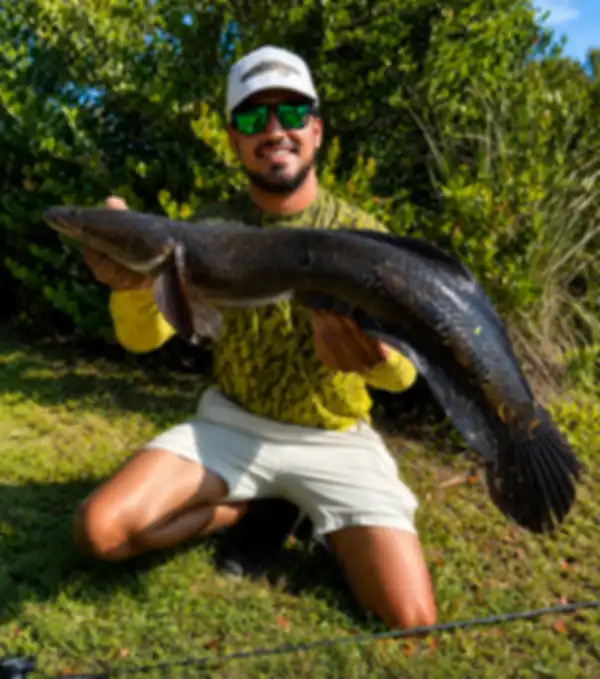
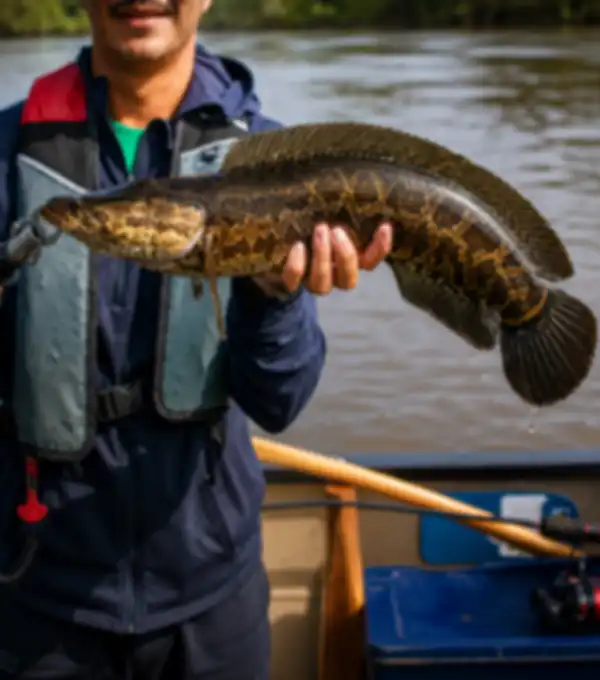
Varal fishing in Kerala: plan the whole session
Snakehead fishing begins with a reachable freshwater presentation, suitable tackle and a safe way to land the fish. In Kerala, varal is a familiar local name for snakehead, but local names alone do not identify every species. Avoid treating every backwater, river and coastal creek as the same habitat.
This guide is a practical starting checklist rather than a promise of catches at a named spot. Look at water movement, vegetation and access before choosing a lure. A controlled cast along a reachable weed edge is often a better learning exercise than casting into the thickest cover you can see.

Choose a lure for the route
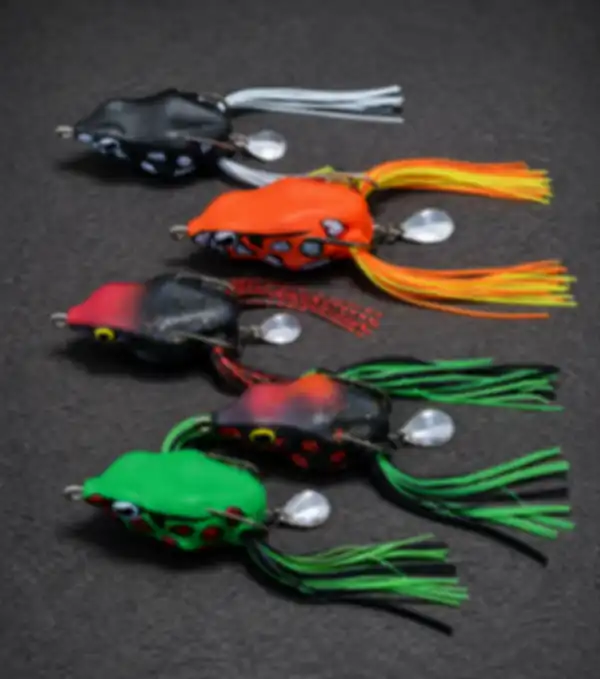
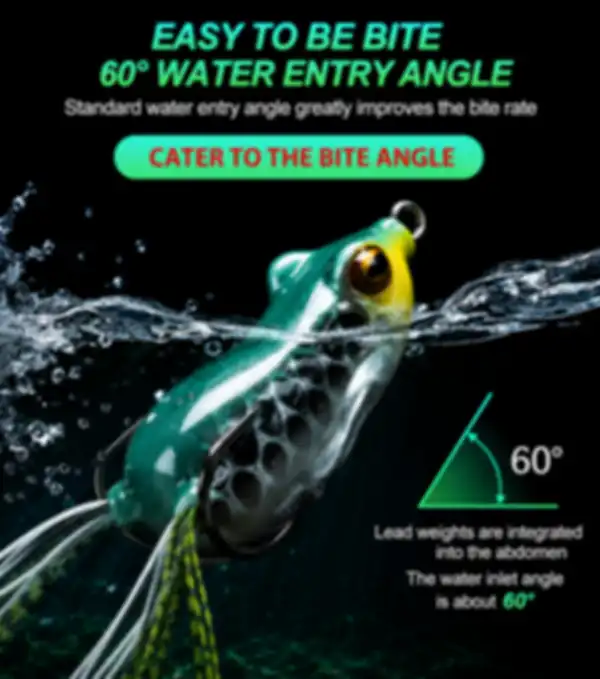
For suitable surface vegetation, compare weed-resistant frog lures with protected hook points. Check how the body and hook arrangement work together. Weedless does not mean snag-proof, and different frogs may walk, pop or swim differently.
In clear lanes or when a surface presentation is unsuitable, consider an appropriate subsurface soft lure or hard lure. Choose its running depth and hook exposure around the available route. Do not switch automatically at a particular time of day; use what the water and lure are telling you.
Match rod, reel and line
Check your rod’s casting range against the complete lure or rig weight. Also consider the cover, hook design and how you will guide a fish to the landing place. A rod that can cast a lure is not necessarily an ideal thick-cover outfit.
Use a compatible reel, suitable line diameter and properly tested connections. Braid provides low stretch, while mono and leader materials have different handling and stretch characteristics. Reel size labels vary between manufacturers. Follow product guidance instead of relying on one universal reel size or line strength. Never lift a fish by assuming its weight is below the line label.
Practise one presentation at a time
Make short casts where the lure is visible. Learn the movements needed to create its intended action, then add controlled pauses. Watch for weed on the hooks, a crooked rig or a waterlogged hollow frog. Those problems matter more than repeated colour changes.
A surface splash may be a missed strike. Regain contact and establish that the fish has the lure before setting the hook appropriately for your tackle. If you get a follow, record the route and repeat it. Change one variable—speed, pause, angle or lure type—so you can understand what changed.
Choose access before casting
Look for permitted freshwater banks with stable footing, space behind you and a practical landing area. Check ownership and local access conditions rather than assuming a popular location is open to everyone. Paddy bunds, canals and ponds can be private or unsafe after rain.
Avoid casting if you cannot safely reach a hooked fish. Carry suitable landing and unhooking tools, keep hooks secured while moving and leave nesting or fry-guarding fish undisturbed. A social-media location or catch photograph is not evidence of current access, water conditions or fish abundance.
Use conditions, not a guaranteed season
Rain can change depth, clarity, current and bank stability quickly. A familiar canal may behave very differently after a storm. Check the conditions on arrival and move away from rising or fast water, floating debris and slippery banks.
Early or late sessions can be comfortable times to learn, but there is no statewide hour, month or temperature that guarantees surface strikes. Keep notes on water level, cover, visible activity, lure and retrieve. Compare sessions at the same accessible water rather than treating a single catch as a rule for all Kerala fishing.
Your first-session checklist
Before leaving: confirm access, check rod and lure ratings, inspect line and knots, pack landing tools and choose a small selection of lures you can control. On arrival: identify a casting lane and landing place, make a short test cast and work one reachable area methodically.
Do I need a baitcaster? No. A suitable spinning outfit can be useful; choose around the technique and your experience. Is the largest frog the best? No. Match size, weight, cover and tackle. Does no surface action mean no fish? No. Reassess presentation and conditions without assuming a guaranteed fix.
Browse our frog lures and other tackle for current specifications. Free shipping applies above ₹999. Read the 2-day wrong-or-damaged-item return policy and record a continuous unboxing video; incorrectly ordered items are not eligible.